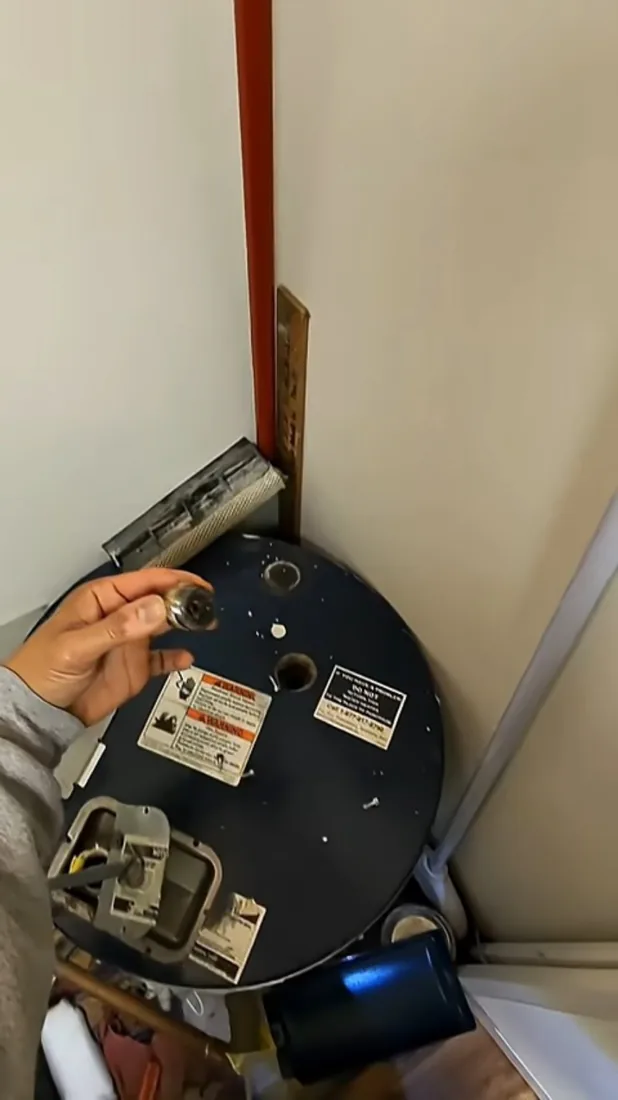
When hot water suddenly stops, the cause may be a tripped electrical supply, a pilot-light issue, a failed heating element, a thermostat fault, or another system problem. A proper diagnosis helps narrow down the cause before parts are replaced. Puyallup Water Heater Repair Services provides troubleshooting guidance and details about common repair options for local homes dealing with no hot water.
Common signs and possible causes
When hot water suddenly stops, the cause may be a tripped electrical supply, a pilot-light issue, a failed heating element, a thermostat fault, or another system problem. A proper diagnosis helps narrow down the cause before parts are replaced. Similar symptoms can have different causes, so a part should not be replaced based on a symptom alone. The type, age, model, fuel source, and maintenance history of the water heater all affect the diagnostic approach.
- Record when the problem started and whether it is constant or intermittent.
- Note any display code, indicator light, unusual sound, smell, or visible water.
- Check the appliance label for the make, model, fuel type, and approximate age.
- Tell the provider about previous repairs or maintenance and any change in household hot-water use.
How this service is typically assessed
Start with the fuel type and symptoms. A qualified service provider can check power or gas supply, controls, heating components, and safety devices, then explain the repair options.
A careful assessment should explain the observed condition, the proposed work, and any alternatives. Ask what is included and what is not included before authorizing service. Repair and replacement decisions should be based on the actual findings rather than a generic promise.
Safety considerations
Avoid opening electrical panels or working on gas controls yourself. If you smell gas, leave the area and contact the gas utility or emergency services from a safe location.
Never bypass safety controls, block a pressure-relief discharge, or operate a water heater that appears unsafe. For a suspected gas leak, leave the area and contact the gas utility or emergency services from a safe location.
Questions to ask before approving work
- What was identified as the likely source of the problem?
- Which repair or maintenance steps are recommended, and why?
- Are parts compatible with the exact model and fuel type?
- Will the work require a permit or follow-up inspection?
- What are the provider’s qualifications, terms, and service availability?
Related water heater topics
Depending on the findings, a concern may overlap with another service. Review water heater replacement, installation, sediment flushing, or thermostat repair for more information.
Frequently asked questions
Can the cause be confirmed from the symptom alone?
Usually not. A symptom may have several possible causes, so a provider may need to inspect and test the system.
Should I continue using a water heater that appears unsafe?
Stop using it if there is a suspected gas leak, burning smell, electrical hazard, serious leak, or unsafe discharge. Move away from the hazard and contact the appropriate qualified help.
What can help identify the right service?
Water heater work should be assessed by a suitably qualified water heater service professional.
Which areas are included in the local guide?
Service information is available for Puyallup and nearby communities. Share your neighborhood when discussing the service needed.